

In this episode, Richard Shotton joins host Jason Mudd to discuss the behavioral science behind some of the world’s most successful brands and how to apply those principles in marketing and PR.
Tune in to learn more!
Watch the episode here:
Meet our guest:
Our guest this episode is Richard Shotton, founder of Astroten. Richard is a behavioral scientist and best-selling author of “The Choice Factory,” “The Illusion of Choice,” and “Hacking the Human Mind.” He specializes in applying behavioral science to marketing and works with global brands to solve real-world challenges.
5 things you’ll learn during the full episode:
- Why what people say influences them vs. what actually drives behavior
- How “effort storytelling” can increase perceived product value
- Why simplicity in messaging increases perceived intelligence and trust
- How timing and “fresh start” moments influence behavior change
- Why social proof remains one of the strongest drivers of decision-making
Listen to the episode here:
Quotables
- “Behavioral science is what people say influences them and what actually influences them. They are wildly different.” — Richard Shotton
- “If you ever need someone to make a really big change in their life, don't target them randomly.” — Richard Shotton
- “The more effort that goes into something, the better it is. People have got that as a rule of thumb in their head. And the interesting thing is, the rule of thumb takes on a life of its own.” — Richard Shotton
- “If you want to convey strong brand values, the argument from Oppenheimer is to speak in a simple, clear way.” — Richard Shotton
- “The simplest answer is usually the best answer. If it’s focused on one thing, it's clear, easy to digest.” — Jason Mudd
If you enjoyed this episode, please take a moment to share it with a colleague or friend. You may also support us through Buy Me a Coffee or by leaving us a quick podcast review.
Resources
Guest’s contact info and resources:
- @rshotton on X
- Richard Shotton on LinkedIn
- Astroten’s website
- Consumer Behavior Lab website
- ”Hacking the Human Mind” book
Additional Resources:
- Earned authority + emotional resonance = brand wins
- What is social proof, and how is it used in PR?
- Listen to more episodes of the On Top of PR with Jason Mudd podcast.
- Find out more about Axia Public Relations.
If you like this episode, you're going to love this:
Recorded: January 05, 2026
About your host Jason Mudd
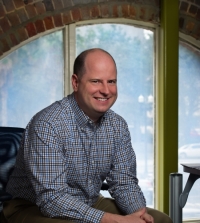
Jason Mudd is a nationally recognized public relations expert featured by CNN, Entrepreneur, Forbes, NPR, The New York Times, PRWeek, and The Wall Street Journal.
Named North America’s top PR leader by the World Communication Forum, he serves as Partner of Axia Public Relations — recognized by Forbes as one of America’s Best PR Agencies.
Jason has advised some of the country’s most admired and fastest-growing companies, leading campaigns for iconic brands including American Airlines, Budweiser, Dave & Buster’s, GE, H&R Block, Hilton, HP, Miller Lite, New York Life, Pizza Hut, Southern Comfort, and Verizon.
He’s also a professional public speaker, accredited PR practitioner, published author, entrepreneur, and host of On Top of PR with Jason Mudd — a podcast ranked among the top 2.5% globally by Listen Notes and a top 100 marketing podcast on Apple Podcasts. His guests have included leaders from Disney, Microsoft, Southwest Airlines, and Wells Fargo. Learn more about Jason at https://www.axiapr.com/team/
Find more On Top of PR episodes on:
Transcript
Episode Transcript
00:00:00:14 - 00:00:23:11
Richard
But one of the themes of behavioral science is what people say influences them and what actually influences them. They are wildly different. And if you just directly question people, it will send you off in the wrong direction. What's much better to do is set up a simple test and control experiments, like the one I did with the the Black Sheep vodka, and that gets you to the truth.
00:00:23:14 - 00:00:32:26
Announcer
Welcome to On Top of PR with Jason Mudd.
00:00:32:29 - 00:01:09:27
Jason
Hello and welcome to On Top of PR. I’m your host, Jason Mudd with Axia Public Relations. Today I'm joined by Richard Shotton. And we're talking about hacking the human mind, the behavioral science behind 17 of the world's best brands. Richard is our guest today, and he is a behavioral scientist and founder of Astro Tin. He's a bestselling author of three books The Choice Factory, The Illusion of Choice, and his latest book, Hacking the Human Mind, which explores the behavioral science underpinning the success of 17 leading brands.
00:01:09:29 - 00:01:24:18
Jason
Let's see. He specializes in applying behavioral science to marketing, helping brands like Google solve real world challenges through consultancy, copywriting, and training. Richard, welcome to On Top of PR.
00:01:24:21 - 00:01:27:00
Richard
Oh, thank you for having me. It's a pleasure to be here.
00:01:27:03 - 00:01:50:15
Jason
Yeah, I'm glad to be here too. Glad to talk about this. Interesting topic today with our audience. And, to that. I, you and I were chatting before we hit record and already kind of identifying, some of the, very interesting ways that behavioral science impacts business, both with consumers and also with, businesses, in B2B environments.
00:01:50:15 - 00:01:55:08
Jason
So let's start off, first of all, what was your inspiration to do this?
00:01:55:10 - 00:02:18:29
Richard
So for the book, I was intrigued by the fact that if you work in marketing, whether it's PR, creative, you know, any of the disciplines, it's hard to get inspiration for the next campaign. And I think what people often fall back on is looking to a brilliant performing brand in their category or beyond, and it sounds like a simple thing to do.
00:02:19:02 - 00:02:47:01
Richard
But actually, if you just copy a night or an Apple or an Amazon, it's very hard to copy the right thing because those brands do thousands of things every year. They're doing lots of things concurrently, some of which aid their success, some of which hinder their success. And so just blindly copying is not the right route. So what I did with my client Flicka in this in this book hack in the Human Mind is.
00:02:47:01 - 00:03:12:13
Richard
Yes, we looked at 17 of the world's most successful brands and what tactics they used. But rather than talk about all the tactics, we whittled them down just to 1 or 2 by filtering them through a lens of behavioral science. So which of the tactics used by those brands have also been proven to work in robust, peer reviewed, controlled experiments?
00:03:12:15 - 00:03:30:17
Richard
And what it essentially does as a book is allows people to kind of identify the secret sauce, the magic ingredient that some of these amazing brands have used, and then take that underlying insight and idea and apply it to their own challenges so that that's the real purpose of the book.
00:03:30:19 - 00:03:53:02
Jason
That sounds awesome. I mean, something that would be right up my alley, something that I think I would really enjoy, not only learning about, but you know, the study in the background because, you know, it's very true. I remember we had a client early in my agency and they were like, well, we don't want to talk too much about our story or give away too much of our secret sauce because we're afraid everybody would copy it.
00:03:53:04 - 00:04:12:16
Jason
And, you know, of course, I'm wanting to help them ultimately, but also, you know, looking at as like, you're an important client of ours and we want to make sure you're successful. So I kept telling them, like, you know, imitation is the best form of flattery, but just because they understand some of your business model doesn't mean they're going to put you out of business.
00:04:12:19 - 00:04:38:04
Richard
Absolutely. Absolutely. You know, it's it's the danger with an awful lot of books like, you know, good to great, where they just summarize the, behaviors of the high performing companies. But of course, in a complex organization, not everything that a successful company does helps and contributes to that success. You've got to whittle down the tactics to a to a really small selection.
00:04:38:07 - 00:04:53:12
Richard
So when we cover a brand like Amazon or Dyson or Guinness in the book, we just look at 1 or 2 ideas from behavioral science and psychology that they use. So it's the underlying idea that can be applied elsewhere.
00:04:53:14 - 00:05:08:24
Jason
Nice. Well I'm excited to dive more into that. So, you you learned how 17 of the world's top brands use behavioral science to capture attention, shape, perception, and influence decisions. First of all, how did you get access to this information?
00:05:08:27 - 00:05:36:04
Richard
Well, a lot of it is in the public domain. So, you know, we've we've identified the brands from their, market share data, stock performance. But then when we look at the evidence for their tactics, that's when we turn to psychology or their existing academic work or our own experimentation, because sometimes the academics have run studies in, frankly, quite bizarre areas.
00:05:36:07 - 00:05:58:08
Richard
Yeah. And in that circumstance, what they've proven is, you know, may or may not work in the commercial world. What Michael and I did was then rerun some of those studies in a much more, everyday, everyday setting to see that, that work. So, so, for example, there's an amazing set of studies called The Illusion of Effort.
00:05:58:10 - 00:06:34:01
Richard
It's essentially the illusion of effort. So it's the argument that if you have a product and people see that product, part of the audience's response will be due to the inherent quality of the product. But part of it will be due to the story of effort that goes around it. So if I believe that a lot of effort has gone into creating a meal or a or a wine or a PR consultancy project, if I believe lots of effort has gone into it, I will write that, product higher than if I believe little effort gone into it.
00:06:34:03 - 00:06:58:26
Richard
Now, the original work by academics was done by Andrew Morales, but it was done in, frankly, a little bit of a strange setting. So what we did for the book was do some very simple experiments to show what commercially. So we got 278 Americans. We showed them some imagery for a fake brand, black sheep vodka. And some people were asked to rate the beauty of the vodka bottle.
00:06:58:28 - 00:07:22:16
Richard
And others were told that the design's gone through 143 iterations. Now, can you write the beauty of it? And what we found was, even though everyone saw exactly the same visual stimulus, the people that had heard this tale of effort, they rated the beauty the bottle 35% better than the group that hadn't heard that that tale. So? So we did know a lot of experimentation to try and show.
00:07:22:21 - 00:07:26:14
Richard
You can use some of these academic principles in the real world.
00:07:26:17 - 00:07:46:24
Jason
So it's more about the the lore or the story of the effort than it is necessarily the story of the brand itself. So meaning that if there's a story that showed no effort, but it was a unique and catchy story, is that as powerful as the story about the effort that went into it?
00:07:46:25 - 00:08:11:09
Richard
So the classic example of this in practice, this bias in practice is Dyson. Dyson amazing brand. They've essentially created a luxury vacuum market from nowhere. And if you look at the PR, if you look at the advertising, if you look at their website, in fact, if you look at the very first line of the founder's biography, his autobiography, they're always communicating the same story.
00:08:11:11 - 00:08:16:19
Richard
James Dyson went 35,127 prototypes before he came up with the backlist.
00:08:16:24 - 00:08:17:26
Jason
All right, I've heard that. Yeah.
00:08:17:27 - 00:08:49:14
Richard
Yeah. Now, logically, it's irrelevant how many prototypes he went through. Right. What should matter is, is it a beautiful looking piece of machinery? Does it pick up the dirt? But behavioral scientists aren't interested in what logically should affect people. They're interested in what actually affects consumers in practice. And what you can see is the delusion effort shows by telling people the story of all the prototypes, all the work that's gone into the product, the consumer.
00:08:49:16 - 00:09:06:11
Richard
Right, exactly the same products that little bit better. So it's really about trying to create, the story of effort that has gone into your into your products. It will change the, the influence on the consumer.
00:09:06:14 - 00:09:27:21
Jason
I'm really digging this, Richard. So it goes a little bit contrarian to what I would advise. I'm thinking of my own company. Right? Yeah. So I would tell my own company, like, you know, my my team, I would be like, the client doesn't care that you spend x number of hours working on this and slaving over it or, you know, working hard on it or whatever it might be.
00:09:27:27 - 00:09:53:27
Jason
What the client cares about is, you know, did you deliver what they wanted? And so I would be inclined to say, you know, don't bother them, don't inconvenience them with the difficulty you had doing it. But I'm hearing maybe I'm off off base here if we're preparing and presenting a plan or deliverable or a strategy or a campaign, maybe we should set the table letting them know kind of the amount of energy effort that went into it.
00:09:53:29 - 00:10:14:08
Richard
Yeah. And what you're describing that that approach you have is, is completely logical. And if you go and survey your clients, they'll probably tell you that. They'll say, just get straight to the point. I will very logically judge the merits of your work on on what you put in front of me. I'm not influenced by these these writers.
00:10:14:10 - 00:10:37:00
Richard
But one of the themes of behavioral science is what people say influences them and what actually influences them. They are wildly different. And if you just directly question people, it will send you off in the wrong direction. What's much better to do is set up a simple test and control experiments, like the one I did with the the Black Sheep vodka, and that gets you to the truth.
00:10:37:03 - 00:10:54:11
Richard
So I would argue, you know, and don't push this too far, but if your team is putting together a proposal to client, I mean, you're going to have you've got an hour meeting you might want to set up maybe just five minutes to talk about some of the hurdles that you got through some of the, cul de sacs that you went down.
00:10:54:18 - 00:11:13:16
Richard
Talk about some of the refinements you made, and the end client won't know this is influencing them. But in life, so often now, the more effort that goes into something, the better it is. People have got that, as a rule of thumb in their head. And the interesting thing is, the rule of thumb takes on a life of its own.
00:11:13:23 - 00:11:22:14
Richard
So even in situations where two different groups are showing the same products, if they think lots of effort is going into it, then they'll appreciate it more.
00:11:22:16 - 00:11:53:03
Jason
Yeah, I like that a lot. This is definitely, kind of changing some of my thinking on it already. And immediately, I was talking to, a colleague of mine, over the weekend about, you know, working with clients and kind of perceptions and things like that. And, you know, they mentioned, you know, like, never, you know, that the clients are often interested in vanity PR, which means, like, you know, we want to be in the Wall Street Journal.
00:11:53:03 - 00:12:13:16
Jason
We want to be in the New York Times. We want to be on CNBC. But if they're a B to C company, right. And they're doing business in a specific niche area, maybe they're B2B, but they're in a niche vertical. It really doesn't matter. Being kind of featured in general, you know, well-known tier one media outlets was his point.
00:12:13:18 - 00:12:54:19
Jason
And being a good brainstorm. I said, yes. And, you know, what we do in our company is we always subconsciously or unbeknownst to the client, will budget about 10% of the media, relations outreach and the earned media coverage that we generate towards generating coverage in that client's backyard, even if they say they don't want local coverage. Because we know that when the CEO is at a golf tournament, at dinner, at the country club, you know, at a fundraiser, walking the dog or whatever they do, and neighbor says, hey, I saw your company, or I saw you featured in a local, you know, website or newspaper or magazine.
00:12:54:26 - 00:13:20:23
Jason
They're going to get ten times as many little anecdotal touches of people seeing that, or more than ten times than if their company was in, you know, The Wall Street Journal or New York Times kind of thing, because it's more local and there's more local connection of that. So while millions of people consume The Wall Street Journal, the average person in your neighborhood, unless you are in New York City, doesn't really see it the same way, right?
00:13:21:00 - 00:13:27:09
Jason
So it's it's funny that you mention, because I feel like there's some similarities between what you're saying and the conversation I was having this weekend.
00:13:27:12 - 00:13:49:07
Richard
Yeah, yeah, I mean, it's this is a long time ago for me now, but, when I first started work in marketing 25. Yeah, 25 years ago, one of the clients at the agency was a a big music label. And the, the outdoor buyers, the people who were responsible for buying the posters. Right. Would always find out where the kind of star live.
00:13:49:07 - 00:14:13:26
Richard
The, you know, the George Michael or the Adele, where they'd be staying in in Britain when they came over. And then the route from the airport to their hotel or to their long term accommodation was just lined with posters so that the store was always kept completely, completely happy. And it was a tiny proportion of the budget, but it kind of grease the wheels and smooth everything over, by keeping the kind of stars ego in check.
00:14:13:28 - 00:14:21:25
Jason
I like that it's it's affirming to the client that you know, that you're doing the right thing, and you just happen to be very strategic around where you place it.
00:14:21:25 - 00:14:25:01
Richard
So yeah. Yeah. Absolutely. Absolutely. Yeah.
00:14:25:03 - 00:14:31:28
Jason
So, I'd love to learn more about how we can apply these to our, our own campaign.
00:14:32:01 - 00:15:00:23
Richard
Well, the brilliant thing is there are so many of these experiments I would argue whatever brand symbol works on whatever category, they have a unique challenge they have. There's always going to be an experiment out there. So let's say, you've got a farm, a client, or I farm it for pharmaceuticals or financial client. Right. Well, one of the things those industries are very bad at doing is speaking unnecessarily complex way.
00:15:00:26 - 00:15:27:19
Richard
And you often will see adverts or websites that have very dense copy. And it's because they're those professionals think where they work in a very serious business. Therefore they need very professional sounding serious copy. Virtually behavioral science would suggest there's a bit of a mistake there. The complexity doesn't convey intelligence. It often can play conveys the opposite.
00:15:27:21 - 00:15:46:29
Richard
So there's an amazingly title paper from Daniel Oppenheimer at Princeton and it's called Consequences of Erudite Vernacular utilized irrespective of necessity. And then there's a colon. And the final bit of the paper title is the problem with using long words needlessly.
00:15:47:01 - 00:15:47:20
Jason
Okay.
00:15:47:22 - 00:16:17:21
Richard
And what Oppenheimer does in his study, I think it's 2006, is around that era gets a big group of people and half of them are shown a bit of text, and it's an academic text. So there's lots of complex, unnecessarily, verbose words in that group. Right? The intelligence of the author. And then Oppenheimer goes and gets another group, shows them basically the same text, but he's replaced the unnecessarily complex words with simpler alternatives.
00:16:17:23 - 00:16:18:16
Jason
Okay.
00:16:18:18 - 00:16:47:07
Richard
Now, when the second group rate the intelligence of the author, they rate that author as being 13% more intelligent than the first group, though, Oppenheimer's argument is if you use complex terminology, you confuse the reader, and the reader doesn't blame themselves that confusion, they blame the author. So if you want to convey strong brand values, the argument from Oppenheimer is speak in a simple, clear way.
00:16:47:10 - 00:17:15:13
Richard
But if you think about the world of pharmaceuticals or the world of B2B or the world of finance, they almost do the exact opposite they are under. They are laboring under this mis assumption that they are conveying positive values by speaking in this complex way. What they should actually do is almost the complete opposite. So so that is a very, very specific example, quite different from the illusion of effort, but one that an awful lot of industries could apply to great impact.
00:17:15:16 - 00:17:17:08
Richard
Keep it simple.
00:17:17:11 - 00:17:34:28
Jason
I was just going to say that it's it's keeping it simple. You know, I don't know if you have research to support this, but I've always heard about, you know, the rule or power of threes. So you talk about things in threes. You have a list of threes. You give three recommendations. You have three product options, and that kind of thing.
00:17:34:28 - 00:17:45:05
Jason
And the research I saw said, you know, two is good, three is great, four is okay. Any more or less is not good.
00:17:45:08 - 00:18:13:07
Richard
There is certainly the argument that each additional, rationale you give for a product, you slightly undermine the core reason, and it's called the gold dilution effect. Zang, was it Zang and Fishback? Yeah. Zang and Fishback did the original study back in about 2007, when the University of Chicago and for their study, what they did was recruit a group of people.
00:18:13:09 - 00:18:41:11
Richard
And the first half of people saw an argument about why eating tomatoes was brilliant for preventing cancer. Okay. And then that group of people write down later how good they think tomatoes are for preventing cancer. A second group of people see exactly the same opening paragraph all about tomatoes in cancer prevention. But beneath that paragraph, there is another paragraph saying, tomatoes already.
00:18:41:12 - 00:19:18:14
Richard
Also really good for preventing, eye problems. Now the second group, when they are questioned how good are tomatoes in preventing cancer, they come back with a 7 or 8% lower score. What the psychologist argue is that when you start adding extra reasons to believe, you dilute the impact of your core, rationale, because generally in life, people have a rule of thumb, the you can't be a jack of all trades.
00:19:18:14 - 00:19:46:00
Richard
You know, jack of all trades, master of none. We have this belief that if you specialize, you tend to be better at the underlying skill. So one of the mistakes many brands make is thinking that they just keep on telling people more or more reasons to believe it will lead to greater sales or great success. But each extra argument slightly weakens the core one.
00:19:46:05 - 00:19:57:04
Richard
So I think you're right. You know, maybe three, maybe four. But there is definitely a downside to adding on extra reasons to believe.
00:19:57:07 - 00:20:17:02
Jason
Yeah. I mean, I'm thinking about the simplest answer is usually the best answer. Right? And so in the human mind, they might be thinking that, you know, the tomato example that you gave. Right. If it if it's focus on one thing, it's clear, easy to digest. Suddenly there's more things to remember. So it dilutes I think, the positioning that you're describing, Richard.
00:20:17:05 - 00:20:49:28
Richard
Yeah. Yeah, absolutely. And I think you've got a point there of simplicity and number of messages, goal dilution. And Zhang's work. And then you've got simplicity in language, which would be Oppenheimer, but you've also got arguments and people like Todd Rogers at Harvard about simplicity in terms of length of communication. Now he makes a wonderful argument that if you ask someone for help or you ask them to change their behavior, it's hard for the audience to know the difficulty level of that request.
00:20:50:00 - 00:21:18:14
Richard
And when people are, uncertain, or when people when a situation is unclear, they often look to proxy metrics. So Roger's argument, he's told Roger he's argument is that often people use complexity of message as a proxy for difficulty of the underlying task. So if I send you a 200 word email asking you to fill in a survey, according to Roger's, you think it's a 5 or 10 minute task.
00:21:18:19 - 00:21:30:09
Richard
If I send you a five word email, ask you to fill a survey, you will assume it's a 1 or 2 minute task. We use length of request as a proxy for difficulty of completion.
00:21:30:12 - 00:21:52:21
Jason
That's very cool, I like that. So we've been talking about how small change in messaging, can dramatically affect audience response. You're. But we also want to cover about small changes in timing. And maybe we haven't covered this yet, but, presentation. Right. Can affect, audience response. So tell us more about that.
00:21:52:23 - 00:22:10:26
Richard
The timing one's a fascinating area. And one of the big principles of behavioral science is it's not just what you say, it's when you say so. There is some really well known, studies about the fact that people are more open to change at the beginning of new time periods.
00:22:10:28 - 00:22:11:26
Jason
Like the new year.
00:22:12:02 - 00:22:17:20
Richard
Yeah, like the new year, but it could be the beginning of a week after birth. Birthday. Okay. Start of a month.
00:22:17:28 - 00:22:19:07
Jason
That's sort of milestone.
00:22:19:13 - 00:22:44:12
Richard
Yeah, exactly. It's called the fresh start effect. But I think, the one that I've been thinking about a lot recently because it's such a fascinating study, is by Adam Alter. So he's a brilliant professor at NYU, and he came up with this idea called Nine Enders. So if you want 39, 49, 59, 29, 69, you know, if you're agents in a nine, you are what Adam Alter would call a nine enter.
00:22:44:15 - 00:23:11:07
Richard
And Alter's argument is that people lose agents in nine. They are massively more likely to make really big changes in their life. So if you want to get someone to do some radically different, like let's say you want to save in a pension for the first time, or quit smoking, or start, drinking nonalcoholic beers altered, say, don't target people randomly segment your message and reach those people whose agents in nine.
00:23:11:09 - 00:23:31:15
Richard
Now first. Well, certainly my reaction when I first read that was I thought, this is utter hokum. Why would that be the case? The author has a very strong logical argument. He says, look, it's not the being 29 or 39 is a magic number. He says, look, in American culture, British culture, European culture, we give disproportionate importance. The turn of a decade.
00:23:31:17 - 00:23:57:08
Richard
Now, indisputably turning 50 is a bigger deal than turning 51. And as you approach that landmark moment for about a year beforehand, you start thinking about how well your life is going. And because you're thinking, you step off autopilot and that's what makes you open for persuasion. That's the kind of rationale to an altered algorithm. But one of the things I love about behavioral science is logic is never enough.
00:23:57:10 - 00:24:20:03
Richard
You've got to prove these ideas experimentally. So what altered does is looks at loads of different data sets. He looks at first time marathon runners and shows that they're 40% more likely to run the math than first time with the agents in knowing he looks, when men have affairs by looking at Ashley Madison, data. And this is 18% uplift in affairs and people's ends.
00:24:20:06 - 00:24:51:22
Richard
Agents in knowing you now even unfortunately, things like suicide. You see spikes in America, when people's age ends in nine. So the argument here is if you ever need someone to make a really big change in their life, don't target them randomly. Use either your own internal data set or publicly available data sets that you can both identify with someone's agents in nine, and if you reach them, the same message will be much more powerful then than a different period.
00:24:51:24 - 00:25:09:14
Jason
That seems very logical, something I've never thought of before, for sure. And I'm feeling a little bit like an underachiever because I'm 49, right now. Yeah, I'm going to be 50 by the time this episode airs. So I'm thinking, gosh, you know, because I've been thinking about, you know, I'm it's at least it's on my mind. Right?
00:25:09:14 - 00:25:15:14
Jason
I'm about to turn 50. Here's what I want to, you know, have happened my 50th year. So.
00:25:15:16 - 00:25:23:25
Richard
Yeah. Exactly. And don't get me wrong, I'm not in any way trying to say everyone who's annoying the makes a massive change their life.
00:25:23:27 - 00:25:24:18
Jason
Right?
00:25:24:21 - 00:25:45:17
Richard
Life's more complex now. Of course you're not. You are, you're more likely than other people. So if brands and businesses are thinking about where they should kind of allocate their money when they're communicating, this is a particularly predisposed audience. This is where you can get the biggest bang for your buck.
00:25:45:19 - 00:26:04:06
Jason
I like that a lot. And as I think about it too, since I'm about to be 50, I bet 12 months ago I was probably more actively doing the things you're describing also. Right? And now that it's been wrapping up that year, it's probably not as top of mind as now. I'm about to officially hit the big five.
00:26:04:07 - 00:26:15:10
Richard
Oh, that is a open question. So unfortunately, all two dozen splice nine enders by month. So you can see that the effect is biggest.
00:26:15:10 - 00:26:16:00
Jason
That's for another.
00:26:16:02 - 00:26:20:19
Richard
Story. Another. Yeah. That's from yeah. You've got a you've got to eat these studies out. You gotta get a couple of books out. Yeah.
00:26:20:21 - 00:26:30:02
Jason
This episode is brought to you by Audible. Enjoy 30 days free of Audible Premium Plus by going to ontopofpr.com/audible.
00:26:30:04 - 00:26:54:13
Announcer
You're listening to On Top of PR with your host, Jason Mudd. Jason is a trusted advisor to some of America's most admired and fastest growing brands. He is the managing partner at Axia Public Relations, a PR agency that guides news, social and web strategies for national companies. And now, back to the show.
00:26:54:16 - 00:27:04:26
Jason
OK, so let's talk about a little bit more. I think this is important. We want to cover to this point of discovering insights that travel across industries and offering ideas that you can borrow and adapt from.
00:27:04:29 - 00:27:27:22
Richard
Yes. So one of the chapters we have in the book is about how Apple, it's an amazing brand, super successful. And they do so many behavioral science techniques. But but probably the thing that they do very well that I think anyone could learn from is around their copywriting. So they are very good at applying the principle of, of concreteness.
00:27:27:24 - 00:27:46:26
Richard
And what I mean by that is a concrete word in the, in the kind of literature is, is, is a word that you can visualize. So if I say square door, that's a concrete word. If I say good value, that's an abstract word, you can't really picture what value looks like, ways you can picture what a door looks like.
00:27:46:29 - 00:28:11:23
Richard
And Apple is famously very, very good at using concrete words. So back when they launched the iPod, for example, everyone else in the category of MP3 players was talking about 50MB of memory. Very abstract, impossible to visualize. Apple, on the other hand, talked about a thousand songs in your pocket because you can picture a pocket. It's a much, much stickier message.
00:28:11:26 - 00:28:41:18
Richard
Now that might sound like a really tiny tweaking communications, but often with behavioral science, these small tweaks have huge effects. So there's a there's an amazing study, from 1972, a brilliant Canadian psychologist called mPEG. Really simple study reads out to people a list of 22 word phrases. And after he reads it out, waits a little bit, and then ask people to recall as much as they can.
00:28:41:20 - 00:29:12:10
Richard
Now, half of the words he read out were concrete words like flaming forest or, white horse. Half the words he brought out were abstract words like basic fact or subtle thought. And what big finds is that people remember 9% of the abstractions, but 36% of the concrete phrases. There is a massive four fold variance, right? And his argument is essentially that vision is the most powerful of our senses.
00:29:12:12 - 00:29:38:03
Richard
So if you as a communicator use language, feel good, visualize it's sticky, it's memorable. If you use language people can't visualize, it's completely terrible. Now that is something that I think every communicator, whether you're a copywriter, whether you are in a presentation, in a client meeting, whether you are sending an email, it is a really simple technique that has a massive impact on on memory.
00:29:38:06 - 00:29:49:29
Richard
So that would be one thing that you can take from Apple. And if you work as a soft drink, as a opticians, as a hearing aid, you can apply these principles, whatever category you're.
00:29:50:02 - 00:30:07:14
Jason
Yeah, that is very cool. And just a good reminder as always. You know, we're in the business of PR and I'm always trying to encourage clients to visualize their story. Right. And if you can't provide a visual, not only does it attract less eyeballs, but it also creates less engagement.
00:30:07:17 - 00:30:20:24
Richard
Yeah. And a visual here could be, you know, it could be actually a physical image. Or when I think it comes to the words, it's yeah, it's words that you can that the audience can easily imagine in their minds are.
00:30:20:27 - 00:30:45:18
Jason
Well that's why I, good journalist or storyteller, is always talking about thinking and visuals. Right. So thinking and visuals, having a visual writing visually, also helps. And that's one of my favorite things about radio. Right. Radio. They call it the theater of the mind, right? Yeah, yeah. And great radio. Is somebody creating a visual and telling you, helping you plant a picture in your head visually that you're hearing audibly.
00:30:45:19 - 00:30:52:24
Jason
Right. And I think that's a very, very, special talent that, you know, I wish I had it, in spades for sure.
00:30:52:27 - 00:31:16:17
Richard
Yeah. Absolutely. I think, the best radio writers use this again and again. But if you were just to pick up the paper randomly and read, you know, through the editorial and the advert, it's, it's remarkable about how many people don't use this technique, you know, that they'll talk about being good quality or a trustworthy or premium.
00:31:16:19 - 00:31:33:26
Richard
Now, they're all simple concepts that the audience can understand, but because the audience can't visualize them, as soon as they put the paper down, they'll have forgotten them. 20s later. So there's there's lots and lots of headroom for, businesses to still apply this principle.
00:31:33:28 - 00:31:53:11
Jason
Yeah, I definitely can see that for sure. Tell me about, how do you apply these tactics to make, your brand the one that people reach for? So what is it that a company might need to do if they're listening to this podcast and they're saying, we need to do these kind of things in our organization?
00:31:53:13 - 00:31:56:20
Jason
You know, what tactics would you recommend they apply?
00:31:56:22 - 00:32:19:21
Richard
So I think a lot of the things we've talked about already, worthy of application. But if there was one thing to do, even if, you know, didn't know what the challenge was, if I had to stake my life on making a recommendation without knowing what the unique challenge was, I would say to them, what you've got to do is make whatever you're trying to encourage your behavior, try to get people to do a product you're trying to sell.
00:32:19:24 - 00:32:46:03
Richard
You need to give it the aura of popularity of all the principles that we discuss in the book, the one with the most evidence is social proof. It's the argument that humans are a herd species. We are deeply, deeply influenced by what we think others are doing. So if you can create this aura of popularity for your product, it will become more appealing and people are more likely to, to, to, to purchase it.
00:32:46:03 - 00:32:53:09
Richard
They're more likely to, to want it. So I think if you if all the prints we talk about that is one of the most central.
00:32:53:12 - 00:33:05:00
Jason
Okay. Yeah. That's, that's, that's very interesting. And, all of this has been fascinating to me. Tell us, Richard, what are you working on? In this new year that's got you excited?
00:33:05:02 - 00:33:29:02
Richard
You know, I'm probably the most excited. I've got this this year. And in the last was around working with some food and drink companies. So there's a whole sub area of how do you make the product taste better without changing the formulation. So you know there's some amazing work about packaging that the heavier the packaged the more premium people will find the product.
00:33:29:05 - 00:33:56:04
Richard
Sure there's some amazing work around how the sound of a bag being opened will change, flavor perceptions, the colors that you use. I found that, you know, very, very, interesting. And there's, there's some brilliant work by people like, Charles Spence is probably the leading thinker in this area that show the taste of a product is not just based on its chemical constituents, it's based on our expectations.
00:33:56:04 - 00:34:17:09
Richard
If we think something's going to taste wonderful, then that will become a self-fulfilling prophecy. So one of one of his studies was done in, I think it was Edinburgh, a conference in Edinburgh, where they serve people the same food. Okay. But half of the conference attendees use very heavy cutlery when they're eating. Half of them use very light cutlery.
00:34:17:11 - 00:34:42:15
Richard
Even though the food was the same, the taste ratings changed by the order of about 10%, and people who read with heavy cutlery rated it as tastier, and they were prepared to pay more for it and spent. His argument is over time people learn that heavy. That's why premium items tend to be heavy. Yeah, and it fuzes this link in their mind.
00:34:42:18 - 00:34:53:03
Richard
The affects them even in situations where it's not appropriate. So this idea of Cross-modal correspondence I think is I think it's a wonderful one that far more brands can apply.
00:34:53:05 - 00:35:17:06
Jason
Yeah, I've seen that too. When I've ordered something online and it arrives and the packaging feels flimsy or not very professional, it creates kind of a perception of the product quality, which I've seen both ways. I've seen a really good product arrive, you know, I'll just call it practically naked, right? No real packaging, nothing meaningful. I've had other products where it's like I'm opening it and it feels like something valuable, and then you get there and it's not very valuable.
00:35:17:06 - 00:35:27:22
Jason
But at the end of the day, the packaging was really nice and it stood out to you, you know? So I think this is, very interesting. And who does this really well is, AMC movie theaters. Right.
00:35:27:22 - 00:35:28:23
Richard
So I don't know.
00:35:28:25 - 00:35:55:27
Jason
Yeah, yeah, yeah. And, you go to watch a movie and it's, you know, when the trailers or previews are playing, they play a commercial for, you know, their beverages, which is Coca Cola. And you hear the fizzing and you see the, the bubbles come up to the top of the cup and it, you know, you know, they've got the 3D sound happening and their popcorn is popping, you know, it just, you know, the 3D effect of you hear the popcorn popping all around you.
00:35:56:00 - 00:36:04:23
Jason
So you're making me think of that. It's kind of like an immersive experience with just simply a, you know, a drink of Coca-Cola being poured.
00:36:04:25 - 00:36:37:20
Richard
Yeah. And these tactics, I think even though they don't affect the physical nature of the products, they still just as valid. What matters is the perception of how nice the food is, not the reality of the actual content. So from a social good perspective, it's amazing opportunities for businesses to create a perception of sweetness without loading the product full of full of sugar and changing some of the color of the the item.
00:36:37:20 - 00:37:02:15
Richard
People are changing, you know, chocolate bars from angular edges to rounded ones has been shown to boost perceptions of sweetness. So. So you could change the formulation of your chocolate bar, remove sugar. Probably save money by doing that. Also save calories to attack the obesity problem and there would be no loss of taste with some of these counterbalancing, approaches.
00:37:02:18 - 00:37:17:22
Jason
Not to look at this from a micro view of the examples that you just gave, but from a macro view, you know, what, what are some of the and this may not be your area of expertise and that's okay. But as I think through it, like what are the ethical ramifications of this type of activity also.
00:37:17:29 - 00:37:41:04
Richard
Oh that's a great question. So my point on this would always be behavioral science is a neutral tool. You know, it is, you know, taking a completely different area because it always makes I think easier as a, as a, as a discussion point, you know, think about rhetoric. Rhetoric is a studied art form. For 2000 years, ancient Greeks were writing about, how to persuade, how to use rhetoric.
00:37:41:07 - 00:38:01:08
Richard
Now those tactics have been used in history by amazing people like Martin Luther King getting people to to love their neighbor. They've been used by the most dastardly dictators in the world, the same techniques we used to get him to hate their neighbors, kill their neighbor. It's not the rhetorical technique that has the morality, it's the ends to which you put it right.
00:38:01:08 - 00:38:15:26
Richard
Hatred. Science is exactly the same. It's a neutral technique for becoming more persuasive. Unfortunately, it can be used for ill, or it can be used for good. But the judgment of its ethical value is is the end to which it's put.
00:38:15:28 - 00:38:30:00
Jason
So somewhat like the same. With great power comes great responsibility. Same thing with knowledge, right? You can have knowledge and you can use it for good, or you can use it to be, manipulative or use it for bad or cause harm completely.
00:38:30:03 - 00:38:56:03
Richard
And just because these techniques exist doesn't mean it's something you should use on every different situation. There's an amazing American philosopher who's mentioned at the beginning of Richard Bailey's book called, John Rawls, and he talks about the publicity principle, and he's guidance is if the behavior you were undertaking was kind of splashed on the front page of your local newspaper, would you feel ashamed?
00:38:56:06 - 00:39:10:02
Richard
And that, to me, is a pretty good guide to whether the intervention you're suggesting is is ethical or not. If people knew you were doing it, would you feel ashamed? If so, consider very, very deeply whether you should still continue.
00:39:10:04 - 00:39:23:24
Jason
I've heard that one. I've also heard the one of would you grant would you be proud of your grandmother to know it? Would you be proud of your children to know it? Would you be proud if the public knew about it after you passed away?
00:39:23:27 - 00:39:51:24
Richard
Yes. For me, so it's a nice symmetry here. So we the first principle we talked about was the illusion of effort. This idea that the same principle products can be valued differently depending on the story of effort around it. So my gran, she was matched to my grandfather. He was a mechanic, engineer, had a little small shop, and by all accounts, he was a brilliant engineer, but a not so brilliant businessman.
00:39:51:26 - 00:40:08:07
Richard
And the company did quite well. But he would, you know, car would come into his shop, he would repair it really quickly, then give the customer a bill straight away, and often they would be angry and think, you know, how can you charge me £50 when it only took you, you know, a few hours to repair this great.
00:40:08:09 - 00:40:29:10
Richard
He was a heavy drinker, smoker, died quite early, and my gran took over the business. Never fixed a car in her life and no idea about mechanics, but was a very, very canny business woman. And then he changed. She said to the mechanics. Look, if you fix it in an hour, just hold onto it for a little bit and bring them up at the end of the day.
00:40:29:15 - 00:40:47:18
Richard
Yes. And when, you know, people were getting the call at the end of the day saying their car was ready, they were completely happy paying that, paying the bill. So when you saved my gran, be happy with the applications of these big that's, that's a more gray area. And in my particular situation.
00:40:47:21 - 00:41:11:11
Jason
Yeah. Well, Richard, I've enjoyed this conversation and wrapping up, if somebody is really interested in this topic and behavioral science, is there a resource you would point them to that you would recommend that is keeps them up to date on the latest studies and research? You know, they can consume as a layman like myself, maybe in little, you know, bits and bytes.
00:41:11:14 - 00:41:30:24
Richard
So if it's bits and bytes they want, I do a newsletter. So if people contact me on, LinkedIn, Richard Shotton, I'll send them a link that it's completely free, but each couple of weeks will digest a, a research paper and tell people the marketing applications. Okay, well, the other ones, the books, you know, how you're going to.
00:41:30:26 - 00:41:31:14
Richard
So it's a great.
00:41:31:18 - 00:41:32:18
Jason
I was going to get to the book.
00:41:32:18 - 00:41:34:14
Richard
Yeah okay. Okay. I jumped into early.
00:41:34:14 - 00:41:46:16
Jason
But but no. That's good. And so what is the best way for them to reach you if they're interested in one, connecting with you because they liked what they heard here in this episode. They've read your book or they want to get the newsletter. Yeah.
00:41:46:16 - 00:41:51:21
Richard
Drop me a a DM on LinkedIn. That's probably the best thing. Yeah. On on LinkedIn. Yeah.
00:41:51:22 - 00:42:03:18
Jason
You okay LinkedIn. And then, your book. So, if someone's interested in getting, your newest book or your two previous books, what's the best way for them to find it is on Amazon.
00:42:03:20 - 00:42:13:11
Richard
Yeah. Amazon's the I tends to be the cheapest one. I mean it's you know certainly in Britain it's no the bookshops the Waterstones and the Smiths but yeah it's certainly an Amazon in America as well.
00:42:13:13 - 00:42:19:23
Jason
Okay. Well Richard, I really appreciate this was very helpful. And I'm going to wrap this up here. So thank you very much.
00:42:19:26 - 00:42:20:23
Richard
Thanks a lot, Jason.
00:42:20:25 - 00:42:40:20
Jason
Yeah. So this has been another episode of On Top of PR. Thank you for tuning in. Thank you for the honor and privilege to, help you stay on top of PR if you found this episode helpful, please take a moment to share with a friend or colleague who would benefit from it. And if you haven't yet, do us a favor and drop us a review in the platform that you're currently consuming this.
00:42:40:22 - 00:42:57:07
Jason
We would really appreciate you'll help other people discover on top of PR and as we said earlier, about the, the level of effort or the story of effort, we put a lot of work into this show, and it would be really helpful if you'd spend a moment to tell others about it. We would really appreciate it. Thank you so much.
00:42:57:10 - 00:43:09:21
Announcer
This has been On Top of PR with Jason Mudd presented by ReviewMaxer. Be sure to subscribe so you don't miss an episode, and check out past episodes at ontopofpr.com.
Topics: PR tips, On Top of PR



Comment on This Article