Sponsors are leaving a popular political podcast after its hosts laughed at an insensitive joke. That pressure can reach any brand whose name appears beside a controversy. This post explains why your brand might stay out of politics, how a partner's words become your problem, and three steps that protect your reputation before a clip goes viral.
Key points:
-
Your brand can enter a political fight through a partner's words.
-
Many Americans prefer that large companies stay out of politics.
-
Sponsors decide whether controversial content keeps its funding.
-
Named exit triggers and a one-sentence statement limit the damage.
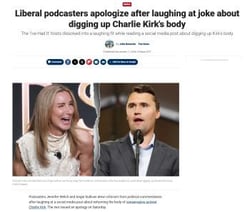
Your brand can land in a political fight without saying a word. Fox News Digital asked Axia for insights on the latest example. Its report says podcast hosts apologized for laughing at a social media joke about exhuming Charlie Kirk's body. Several sponsors distanced themselves before the apology.
You pick the show and approve the spot. You do not control the episode's content. That gap between approval and control is where sponsor risk lives.
You carry the brand and the budget. One partner's worst moment can undo months of goodwill.
What happened to the podcast's sponsors?
According to Breitbart, Cash App, Chewy, and Boll & Branch distanced themselves from the show. The show is Jennifer Welch's "I've Had It" podcast. Welch and Angie Sullivan later called the joke insensitive and apologized, Fox News Digital reported.
Media Research Center President David Bozell told Fox News Digital that advertisers decide whether shows like this survive. That view explains what sponsors can do. It skips what they should do before a clip exists.
Hosts can say what they want. Sponsors decide whether they keep paying for it. Customers hold a brand responsible for supporting it.
Cash App stated its decision in one sentence. We would advise a client to do the same, then stop talking. Longer statements tend to invite a second round of questions.
Why might your brand stay out of politics?
Many Americans prefer neutrality. An AP-NORC poll found only one in four Americans approve of large companies speaking out on political issues, according to the Washington Times. Ipsos found about half would boycott a company over a stance they disagree with.
Those Americans include your customers, employees, and prospects. Some agree with a stance you take. Many do not, and they rarely tell you before they leave.
Axia typically advises clients to shy away from political donations. The same caution applies to sponsorships, endorsements, and ad placements. Our guidance on keeping politics out of PR holds in 2026.
Political involvement rarely wins you customers. It can cost you the ones who disagree. Neutrality often protects your investment in brand trust.
How does a partner's controversy reach your brand?
Politics often reaches brands through partners. Three hypotheticals show how.
Insurance:
An insurance carrier that sponsors a talk show might see its logo beside a host's most heated segment.
Home services:
A home services company that buys radio ads might field angry calls after a guest's comment.
Franchising:
A franchisor might watch one franchisee's post become the brand's headline.
In each case, customers tag the brand, reporters call for comment, and your team scrambles for a statement. The partner's words become your problem within hours. Silence leaves room for customers to assume the worst.
What should you say when a partner's controversy reaches you?
Start with your decision. Then stop. A statement works best when it names your action and nothing else.
Use a template such as: "[Brand] has ended its sponsorship of [show]." One sentence covers it.
Skip commentary on the controversy itself. Commentary invites a second round of questions. The second round pulls you into the debate you wanted to avoid.
Assign one approver and one spokesperson before you need them. Speed matters because the first hours often shape the story. Learn how to speak with clarity during a crisis before the next clip spreads.
How do you limit your political exposure?
Build guardrails before a clip goes viral. Start with three steps.
- Define your lines:
Decide which topics, behaviors, and partners conflict with your brand. Review a host's track record, tone, and recent episodes before you sign. Share the list with legal and your brand team. - Name your exit triggers:
Negotiate terms that let you walk away without a penalty. List the exact statements, topics, and behaviors that end the deal for cause. Then you avoid improvising a buyout when the wrong clip spreads. - Prepare your statement:
Write the one-sentence template and name the approver. Store both with the contract so your team can find them fast.
Then build a crisis communication plan around those pieces. Your team moves faster when a partner stumbles.
Why this matters and what to do next
Sponsorship buys attention, and attention carries risk. Clear terms and a ready statement protect your investment in the brand. Take three actions.
- Audit this week:
List the sponsorships, partnerships, and ad placements you run. Flag any without an exit clause. - Brief your leaders this month:
Agree on the topics your brand avoids. Name one approver and one spokesperson. - Update contracts at renewal:
Add named exit triggers and a no-penalty exit. Ask your counsel to review the language.
FAQs about brands and politics
Should companies stay out of politics?
It depends on your customers, your values, and your industry. Polls suggest many Americans disapprove of corporate political statements, so neutrality often carries less risk. Axia typically advises clients to avoid political donations and partisan campaigns.
Can a sponsor face blame for a host's comments?
Yes. Customers often connect sponsors to the content they fund. Ipsos found about half of consumers would boycott a company over a stance they disagree with. A named-trigger clause lets you exit quickly.
How should a brand announce it is ending a sponsorship?
Use one sentence that names your action, then stop. Longer statements tend to invite follow-up questions. Name one approver in advance so the statement goes out fast.
What contract terms protect a sponsor?
Named for-cause triggers and a no-penalty exit give you strong protection. List the statements, topics, and behaviors that qualify. Ask counsel to review the final language.
Does staying out of politics mean staying silent in a crisis?
No. Neutrality on political debates does not stop you from addressing issues that touch your customers or employees. Stick to facts you control, and keep statements short.
Brands that earn attention for their own expertise leave less room for a partner's controversy to define them. Visibility you build yourself carries less sponsor risk.
For more information on how we can elevate your PR strategy, explore our services today or book a one-on-one consultation.
See also:
Topics: crisis communications, shared media, earned media



Comment on This Article