

In this episode, University of Memphis expert Michele Ehrhart joins host Jason Mudd to discuss crisis communication, leadership preparedness, reputation management, and how organizations can navigate high-pressure situations with clarity and confidence.
Tune in to learn more!
Watch the episode here:
Meet our guest:
Our guest is Michele Ehrhart, senior vice president and chief marketing and communications officer at the University of Memphis. Michele is a crisis communications expert with three decades of experience in corporate affairs, executive communications, and PR strategy.
5 things you’ll learn during the full episode:
- Why crisis preparation must happen before a crisis occurs
- How leaders can use “what if” scenario planning to prepare for high-risk situations
- Why silence can be a strategic communication choice depending on context
- How reputation is built slowly but can be damaged quickly during a crisis
- Why defining roles and responsibilities in advance improves crisis response execution
Listen to the episode here:
Quotables
- “The day you have a crisis should not be the first day you've thought about what you'll do.” — Michele Ehrhart
- “Planning the work and working the plan.” — Michele Ehrhart
- “Silence is a strategy. If the story isn't yours, don't talk about it.” — Michele Ehrhart
- “The brand is what you put out there; reputation is what they think of you.” — Michele Ehrhart
- “When PR is at its best, it's building a reputation for your company — just not visibility, but also the reputation. You could have great visibility, but it's not positive.” – Jason Mudd
If you enjoyed this episode, please take a moment to share it with a colleague or friend. You may also support us through Buy Me a Coffee or by leaving us a quick podcast review.
Resources
Guest’s contact info and resources:
- Michele Ehrhart on LinkedIn
- Michele Ehrhart’s website
- Get the “Crisis Compass: How to Communicate When It Matters Most” book
- Axia’s CrisisPoint service
- Axia’s Reputation Restoration service
Additional Resources:
- How to recover from a PR crisis and manage your reputation
- What is reputation management?
- Build a crisis communication plan that works fast
- Question-based crisis communication: What leaders miss online
- How to build a crisis-resilient marketing and communication plan
- Listen to more episodes of the On Top of PR with Jason Mudd podcast.
- Find out more about Axia Public Relations.
If you like this episode, you're going to love this:
- Effective crisis communications
- Crisis communications with Citizens Property Insurance
- How to prepare for any communication crisis
- Crisis lessons learned from Southwest Airlines
Recorded: January 30, 2026
About your host Jason Mudd
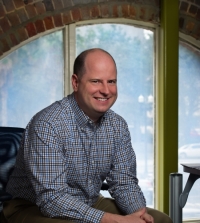
Jason Mudd is a nationally recognized public relations expert featured by CNN, Entrepreneur, Forbes, NPR, The New York Times, PRWeek, and The Wall Street Journal.
Named North America’s top PR leader by the World Communication Forum, he serves as Partner of Axia Public Relations — recognized by Forbes as one of America’s Best PR Agencies.
Jason has advised some of the country’s most admired and fastest-growing companies, leading campaigns for iconic brands including American Airlines, Budweiser, Dave & Buster’s, GE, H&R Block, Hilton, HP, Miller Lite, New York Life, Pizza Hut, Southern Comfort, and Verizon.
He’s also a professional public speaker, accredited PR practitioner, published author, entrepreneur, and host of On Top of PR with Jason Mudd — a podcast ranked among the top 2.5% globally by Listen Notes and a top 100 marketing podcast on Apple Podcasts. His guests have included leaders from Disney, Microsoft, Southwest Airlines, and Wells Fargo. Learn more about Jason at https://www.axiapr.com/team/
Find more On Top of PR episodes on:
Transcript
Episode Transcript
00:00:00:03 - 00:00:12:16
Michele
the day you have a crisis should not be the first day you've thought about what you'll do. If you have one. That really is about preparation, it's about thinking it through. And that doesn't have to be elaborate. You know, I talk in the book around
00:00:12:19 - 00:00:21:19
Michele
some tabletop drills you can do all the way to really in-depth exercises on getting prepared for a crisis.
00:00:21:21 - 00:00:42:28
Michele
But there's muscle memory and muscle neuro pathways that happen when you think about it. So what I try to get you to do is think about maybe it's the three things that keep you up at night. What is it that you worry about your company facing and give that some thought? Okay, so let's play the game of what would I do if that happened?
00:00:43:00 - 00:00:44:25
Michele
That's the first step,
00:00:44:27 - 00:00:54:09
Announcer
Welcome to On Top of PR with Jason Mudd.
00:00:54:12 - 00:01:14:13
Jason
Hello and welcome to on top of PR, I'm your host, Jason Mudd. Today, I'm joined by Michelle Earhart. She is the chief marketing and communications officer for the University of Memphis. We're proud to have you here. Michelle, thank you for the opportunity to get connected. I'll read your bio here real quick, and then we can talk a little bit more.
00:01:14:13 - 00:01:15:22
Jason
Does that sound good?
00:01:15:25 - 00:01:16:26
Michele
Sounds great. Thank you.
00:01:17:01 - 00:01:44:11
Jason
Excellent. We've got a good, show here today. We're talking about crisis campus, how to communicate when it matters most. Michelle Earhart is a crisis communications expert with three decades of experience in corporate affairs, executive communications and PR strategy. After 22 years with Fedex, she now serves as the SVP, Chief Marketing and Communications Officer for the University of Memphis.
00:01:44:13 - 00:02:00:10
Jason
Michelle is a bestselling author, speaker, and industry expert, helping leaders navigate crisis with confidence and clarity. I love that. Michelle. So glad to have you. On top of PR today. Thanks for being here.
00:02:00:13 - 00:02:03:27
Michele
Well, I'm so glad to be here. Thank you for the invitation.
00:02:03:29 - 00:02:31:13
Jason
Yeah. Glad to, get this going here. And for our audience. We're recording this January 30th of 2026. It's a cold, spell here in the United States. And, Michelle is working from home today because of weather and, very appreciative of her improvising. And joining us here. We want to talk about crisis compass, how to navigate when it matters most and or how to communicate when it matters most.
00:02:31:15 - 00:02:49:26
Jason
And we've got, you know, four topics or themes, we want to explore during our time together today. And, Michelle, maybe. Is there any more information you want to share with our audience about yourself? Is a, a bestselling author, speaker, and industry expert.
00:02:49:28 - 00:03:07:24
Michele
And you covered the highlights of it, for sure. You know, it's just something that I'm very passionate about. I don't think I ever intended to be an expert in crisis communications. I don't think anyone wakes up in the morning and says, oh, great, another crisis. But it turned out that that was the path I was on, and I sort of found my place.
00:03:07:24 - 00:03:21:02
Michele
I found my footing. And when I left, Fedex decided that I sure wish I'd had a book. When I first started the role in Crisis Communications. So I wrote the book. I wish I had.
00:03:21:04 - 00:03:28:18
Jason
Oh, I love that. Yeah. Very cool. And so, when did you write the book?
00:03:28:20 - 00:03:46:24
Michele
So the book came out in September of 2025, and I started it mid-year. 23. Okay. 1 or 2 years. It took me to actually go from concept to book in hand. Yeah. But, you know, it was one of those things that,
00:03:46:26 - 00:03:52:11
Michele
as I was going through all of that, was building a business, as you can understand, you built a great business.
00:03:52:14 - 00:04:10:15
Michele
And then I kind of bumped into the job that I have. I went there to do some consulting work and fell in love with the strategy and ended up going to work for the University of Memphis. But part of that negotiating on that job was, hey, I'm in the middle of writing a book, and I don't want to stop.
00:04:10:15 - 00:04:18:27
Michele
And they said, great, we love books. Finish your book. And so here we are now, I have a book, and I work at the University of Memphis.
00:04:18:29 - 00:04:34:19
Jason
There you go. That's awesome. Writing a book in that period of time is, I think, rather impressive. I've got a colleague who I went to dinner with, and it was early November, and she said she was going to write a book between now and the end of the year so she could have it published, by the end of first quarter.
00:04:34:19 - 00:04:49:09
Jason
And I said, well, that's pretty aspirational. That was about 3 or 4 years ago. And last I checked, she's still writing. So, you know, it's something that is a big undertaking, and I think you had a much more realistic timeline and you got it done. So good for you.
00:04:49:12 - 00:04:55:25
Michele
Well, thanks. I had a lot of help along the way. It was certainly a a labor of love and a team of people making it happen.
00:04:55:27 - 00:05:15:17
Jason
Yeah, well, at the end, maybe you'll remind me to ask you for any tips you would give to aspiring authors in our audience, because I think we have that quite frequently. Among our, audience and guest. So we'd love to dive into that, but let's focus on this crisis campus. This a term you came up with and developed?
00:05:15:20 - 00:05:34:04
Michele
I had some help. I was trying to think about what this book should do, and really, it was like, if you think about when you're in a crisis of any sort, and that certainly defined by the person who's in it, a crisis to you may not be a crisis to me and vice versa, but when you're in the midst of it, it feels like everything's coming at you, at once.
00:05:34:04 - 00:05:39:01
Michele
And what you're looking for is that flashlight in the dark to kind of help guide your steps.
00:05:39:03 - 00:05:41:22
Michele
Maybe you know what steps to take. Maybe you don't,
00:05:41:25 - 00:05:58:26
Michele
but you you need some clarity in the moment. And that's where the Crisis Compass came from, really as a navigation tool. And that's what the book is designed to do, is to help you navigate by no means is it something that you pick up and do everything in it, but it gives you a place to start in.
00:05:58:27 - 00:06:19:18
Michele
And I was a small business owner as I wrote the book, thinking, what about the people who couldn't find me and afford me to help them in a crisis to start? And so that's really what the book is about. It's for a CEO of a fortune 50, all the way to someone who's a startup to understand where to begin.
00:06:19:21 - 00:06:52:10
Jason
Yeah, I can relate to what you're saying there. You know, I was just doing an interview with somebody else for another episode, and, you know, they were telling me about how, you know, I don't want to misquote them, but basically they were describing, our podcast and, how faithfully they watch. And they said, you know, the one thing I think that your podcast does is really help people who either can't afford or don't have budgeted to use an agency, but they have an agency kind of passively of counsel to be an advisor to them.
00:06:52:12 - 00:06:56:11
Michele
I love that, I think that is so important. I'm glad you do it.
00:06:56:13 - 00:07:21:01
Jason
Yeah. Me too. Well, I was glad to hear her say that she was sharing that she finds the podcast helpful in that way, so that's very good. So crisis preparedness is a reflection of, reflective of good leadership. And every leader will experience moments that test their communication, confidence and clarity. Right. And so you're saying the difference is knowing how to lead when it matters most.
00:07:21:03 - 00:07:33:03
Jason
Let's talk about that a little bit more. You know, how how does leading and knowing how to lead, make a difference when it comes to navigating a crisis?
00:07:33:05 - 00:07:35:25
Michele
I guess my short answer is going to be that
00:07:35:28 - 00:07:48:11
Michele
the day you have a crisis should not be the first day you've thought about what you'll do. If you have one. That really is about preparation, it's about thinking it through. And that doesn't have to be elaborate. You know, I talk in the book around
00:07:48:14 - 00:07:57:14
Michele
some tabletop drills you can do all the way to really in-depth exercises on getting prepared for a crisis.
00:07:57:16 - 00:08:18:23
Michele
But there's muscle memory and muscle neuro pathways that happen when you think about it. So what I try to get you to do is think about maybe it's the three things that keep you up at night. What is it that you worry about your company facing and give that some thought? Okay, so let's play the game of what would I do if that happened?
00:08:18:25 - 00:08:20:12
Michele
That's the first step,
00:08:20:14 - 00:08:46:21
Michele
because then you begin to think about what would I do if it happened. So if it does happen, it's not the first time you're thinking about it. If it's nothing more than that, then at least you started the process. And then the book goes into a lot of different scenario planning in ways that you can take your ideas that you just created and make them bigger, or go a little more in depth into it.
00:08:46:24 - 00:09:16:26
Jason
Gotcha. And, you know, as you're saying that I'm also thinking about the idea of, you know, for me, whenever I see a crisis in the news, right? I encourage my team and my clients. What if that happened to you? Like, take a moment. Add that to your either your wish list of how you're going to update your crisis plan next, or go ahead and put it into your crisis plan now so that when and if that happens to your company, you've already thought it through with a more neutral and balanced, approach.
00:09:16:29 - 00:09:40:04
Michele
So such good advice and you're absolutely right. Half of my day, I feel like I've been thinking like that, especially being in higher ed right now. I mean, this has been an unprecedented year of one crisis after another for higher ed things that have just never happened in the industry that we're thinking through. We're prepping for, we're planning for, and hopes that we never have to face it.
00:09:40:06 - 00:09:45:21
Michele
But the fact that we've thought about it makes everyone feel a little bit better.
00:09:45:23 - 00:10:02:15
Jason
Well, and then obviously, right, leadership is not going to accept the answer of, well, I didn't think this would happen to us, right. Or I never saw that coming. If it's happened somewhere else, you know, then, you know, that's going to be the message or the thought is, well, you should have been prepared for it, right?
00:10:02:18 - 00:10:21:23
Michele
Well, and you're not only the ones being thinking about it, you're being asked, I think about board members coming to us and saying, hey, I read this in the news. What would you do if it happened to you? So others are thinking that way too, and being able to answer the question is super important. You know, that way it shows that you've thought about it.
00:10:21:29 - 00:10:43:06
Michele
You know, I talk a lot about planning the work and working the plan. It really goes back to, you know, football players don't just show up on game day to play the game. They've practiced for hours and hours, and ballerinas don't show up just to do the show. They train their entire lives. And that's what this is about.
00:10:43:06 - 00:10:57:00
Michele
You know, good leaders are prepared not for every single thing, but they've started to train their minds on how to think during bad days so that they are ready for whatever comes their way.
00:10:57:02 - 00:11:17:12
Jason
Right. The quote I hear a lot from athletes is that the game slows down the more they practice it, right? So, you know, the movement of the ball, the movement of the other athletes, the movement of the game field starts to feel like it's slow motion when you know your plays well, when you've rehearsed, when you prepared, or whatever the case might be.
00:11:17:12 - 00:11:45:20
Jason
And, you know, a few years ago, I started feeling like that in my own agency, like, you know, just things started going smoother and, and, you know, the more we had documented processes, the more we, you know, we're improving those processes and rehearsing and things like that. So I, I feel that same way. In speaking of playing the work and work the plan, you you wanted to talk a little bit more about that?
00:11:45:22 - 00:12:06:02
Michele
Sure, it's the whole concept of having your crisis plan ready to go, and there's no perfect crisis plan because you can't dream up all the specifics that would happen in a crisis. But you got a framework. And I think if you do nothing else, thinking about who do you have in the room and what are their roles?
00:12:06:04 - 00:12:27:28
Michele
And sometimes when you're actually doing these crisis simulations, you can assign roles to people and you can let them do something that they don't typically do on a day to day basis, just to kind of get them out of their normal comfort zone. But if you've created really what those people are there to do and what those roles are, then it runs itself.
00:12:27:28 - 00:12:45:03
Michele
And so the details are important. But you actually you kind of walk in knowing that you've got, the right people in there. I mean, you can make those decisions and any plan that you have in place, you can actually execute.
00:12:45:06 - 00:13:00:05
Jason
Yeah, I like that a lot. That's, a very good point. So tell me, in your role, you know, if if a crisis were to occur, you know, immediately kind of what's your game plan and how is your organization trained to respond today?
00:13:00:05 - 00:13:02:03
Michele
Michelle,
00:13:02:06 - 00:13:27:25
Michele
There's a great example in the book that talks about what I'm going through right now, having to work from home. Memphis does not handle adverse weather very well. We're not used to it. I mean, you live in Florida. You understand? It's not a driving in the snow. It's not a big thing in Memphis, Tennessee or in Florida. But when it happens, it tends to shut everything down.
00:13:27:28 - 00:13:48:17
Michele
So a few years back, we weren't prepared for that at the university. They didn't have any plans in place. They had students in their dorm, things weren't going well. And when they were finished with that incident, that weather incident, they had the foresight. And this is right before I joined the company to create what they call a crisis management team.
00:13:48:22 - 00:14:02:12
Michele
And it's that kind of core group of people I just talked about who were the 6 to 8 people that have to be in the room to help you make the decision, because the last thing you want is to have to go track someone down to help you make the decision that needs to be made in the room.
00:14:02:15 - 00:14:30:23
Michele
So pull those people together. They documented everything that went wrong and they put a plan in place. So what would happen if this some type of weather event happens again? So when I came into my role and we were going on last year's first weather event in Memphis, I said, what do we do? And someone brought me a 30 page plan that didn't follow that plan to the tee, but I had a place to start, so we took that.
00:14:30:25 - 00:14:40:10
Michele
We used it last year. It wasn't a big event, but then we used it again this year. And so now we have this crisis management team. We meet every day
00:14:40:13 - 00:14:47:15
Michele
during a crisis. We have one in about 30 minutes so that we will get together and talk about the crisis.
00:14:47:23 - 00:14:52:21
Michele
And we're working the plan that we had to make sure that we don't miss this step.
00:14:52:23 - 00:15:12:28
Michele
So it's really taking what, you know, building upon it and using it if you have to the next time. So that's why I say there's no perfect plan, because every incident is going to be different. But at least you know where to start. And then if you have the people in the room that can make the decisions, you're going to make a decision.
00:15:13:01 - 00:15:16:09
Michele
You're going to be able to execute upon the decision.
00:15:16:11 - 00:15:34:05
Jason
I like that. And in our pre-show notes, you kind of sent over to me, you know, and I want to give you credit for this plan the work and work the plan, control the narrative before it controls you, which is exactly what you've said, in that example. So I think that's great and very helpful. Michelle, thanks for sharing that.
00:15:34:07 - 00:15:55:07
Jason
So I know we want to talk about, silence is a strategy or as a strategy. And I'm a big fan of that. You know, I call it riding out the storm. So, I have some anecdotes. Maybe I'll share about that. But, this is this is your moment to share. So, we'd love to hear more of your thoughts on that.
00:15:55:09 - 00:16:16:19
Michele
What's interesting, when I do any type of interview about the book, or especially people who aren't in our business, that the one that they're most drawn to. What do you mean? Silence is your strategy, and I. I make it as simple as possible. If the story isn't yours, don't talk about it. You don't have to talk about something because it's in your industry.
00:16:16:26 - 00:16:42:16
Michele
Or perhaps it happened to your competitor or I use an example in the book where I had a client who had a former really high profile position, who left the organization, and they were involved in a really bad accident, and it got a lot of local press, and it was kind of sensational. So the local reporters were trying to make this a bigger story.
00:16:42:16 - 00:16:53:09
Michele
They called the previous employer and said, hey, do you know this person? Did they work for you? Why did they leave? And the instinct was, well, a reporter asked us if we better tell him.
00:16:53:12 - 00:16:53:18
Jason
Right.
00:16:53:18 - 00:17:09:09
Michele
And my comment was, this has nothing to do with you. You don't have to say a word. This is not your story. And anyone can Google search and find that that person worked for you, but you don't have to get involved. And so that's what I mean by silence is a strategy, not your story. You don't have to talk about it.
00:17:09:11 - 00:17:32:01
Michele
Now, on the flip side of that, if it's your brand that this is happened to or around or because of you, which is probably the worst, it's your fault and you're silent. That's deadly. You have to acknowledge that happened. You don't have to take ownership of it yet. You can just say you're looking into it, but you can't be silent.
00:17:32:03 - 00:17:49:21
Michele
So that's what the chapter talks about, about when it makes it makes sense to not talk, and when you absolutely have to say something. And I have a few examples in the book that are where people should have spoken, then they didn't, and it would have ended up being better for them in the long run. I'm sure you have plenty of those too.
00:17:49:24 - 00:18:07:29
Jason
Yeah, well, let's talk about that for a minute, I guess. Kind of just general guidelines. In your mind, Michelle, of when you don't say something and when you should say something, what are kind of the indicators that you look for and advise your employer or clients? In that regard?
00:18:08:02 - 00:18:35:20
Michele
Well, you and I know that you can't do anything in the media or publicly in social media without some type of monitoring. We monitor sentiment. We monitor all of our social media posts in the comments just to kind of get a feel for what people are thinking and saying. That's a great place to start. It's an indicator of how your customers or your target audiences are reacting to something.
00:18:35:22 - 00:18:57:09
Michele
And even though they may come back and say, you've got to say something, I can't believe you're not saying something. You still may choose not to. It's still got to be aligned with your brand and the values of your brand. It's such a political climate now, and there's all types of things that are going on around us that we all have feelings about now.
00:18:57:13 - 00:19:18:18
Michele
So you have to be careful. A brand shouldn't have feelings about it. If it's not impactful to the bottom line of your organization, maybe you don't have to talk about it and that, you know, that just depends on the leadership team and that depends on the values that the brand holds.
00:19:18:20 - 00:19:35:19
Jason
Yeah, I like that a lot. You know, I was just watching a TV show last night and the person said this and it was designed to come across rather insensitive the way he said it, you know, part of the character, part of the script. But he just said, you know, I'm not sure how to argue with feelings.
00:19:35:21 - 00:19:53:00
Jason
And I thought about that for a minute, and I was like, you know what? That's a genuine response. You know, the room of the scene, you know, read that is him being insensitive. But, you know, he was trying to communicate, you know, to saying, you know, that this person was upset and they feel this and they feel that.
00:19:53:00 - 00:20:12:17
Jason
And, you know, he was just trying to neutralize the situation. I think by saying, I'm not sure how to argue with your feelings because, you know, he felt like he was right. She felt like he was wrong and there was just no end to it. So I kind of like that. And I like what you're describing about having the emotions, of the brand or the corporation.
00:20:12:17 - 00:20:37:19
Jason
And so, last week I was talking to someone and they were referring they were talking about politics and corporations and all that. And I said, you know, for 20 something years, I've told my clients, based on my experience of, you know, you're either you're you're often best off, in my opinion, not contributing to any particular candidate or any particular party.
00:20:37:22 - 00:20:57:13
Jason
And if you're going to do that, then my recommendation is to contribute to all of them. And I said, and your view of that might be I'm just throwing my money away. Your view of that might be that I'm supporting a candidate that I don't necessarily believe in, but I have expressed to them, in my experience, I've seen that backfire as many times I've seen that benefit.
00:20:57:13 - 00:21:26:20
Jason
Right. And so, like at my company, we don't do any political contributions, whatsoever. And when our clients want to make political contributions, I just walk them through, you know, the elements of what that might look like, pros and cons. And so we've literally seen our clients support an incumbent candidate, and then they don't get reelected. And the new candidate comes in and views our client as an enemy because they didn't support them during the political campaign.
00:21:26:22 - 00:21:53:22
Jason
And they endorsed, their political opponent. And so now this new person in political office is making it difficult to finish off the work that was being done that was benefiting, my client. And so I think that's the kind of the perfect example of, you know, if you're going to invest in a can and a candidate put money towards the candidate that you like, but you also need to be involved, I think, with the other candidates, too.
00:21:53:24 - 00:22:20:17
Michele
Well, and I think a step beyond that to you can talk about why you're endorsing the candidate. It may not be about the person themselves, it might be about the policies that they're going to put in place. I think about my time at Fedex, we were very in a very regulated industry, and trade was the crux of the existence of a company like Fedex being able to fly packages across the world, they had to be able to have trade.
00:22:20:20 - 00:22:46:00
Michele
Free trade is really what we were pushing for. So you had to talk about whether you like the candidate or not, if they're going to help us do something that makes the company better or stronger. That's why we're supporting them or why we are going before Congress to testify, or we're doing a Senate hearing. And and really, that was for our employees to understand that we weren't necessarily endorsing a candidate.
00:22:46:01 - 00:23:12:03
Michele
We were backing the legislation. And that helped because then it and then to your point, if the other person wins, it's not personal. You didn't pick my other person. You said, I don't like that policy. Maybe you could change it for us. And then you've made a friend on both sides. So being as transparent as you can about the why you're supporting someone might be the difference maker.
00:23:12:06 - 00:23:25:09
Jason
And that's a great piece of advice, Michelle, I appreciate you sharing that. Before we move on to the next point, did you want to share any other recommendations about when to stay silent and when to speak up?
00:23:25:11 - 00:23:49:00
Michele
So I think a lot of you probably see this as much as anyone. It's who you have speaking for you that's important. And so I do. I call myself the CEO whisperer because a lot of times I'm behind the scenes whispering in somebody's ear about what you should and shouldn't say. And prepping that person to not get in front of a camera and then come out with any regrets.
00:23:49:02 - 00:24:14:23
Michele
And there have been some examples, you've seen them maybe even this week. Who knows. There's so much out there right now. Yeah. Of leaders who get in front of a camera and either say too much or don't say enough, and some of that I credit their communicator and their teams. And if they're listening to those people and those people are giving them sound advice.
00:24:14:25 - 00:24:35:02
Michele
That's one thing. But if you're not listening to them or you're not getting sound advice, those are things that you can change. So one example I used in the book about when a leader should have spoken and didn't, and I think that it was as simple as your communications team getting you on the phone and telling you you need to be prepared for this.
00:24:35:07 - 00:24:52:13
Michele
So I think back to the, the LA fires. And the mayor who had she was out of town, taken a trip, I think to Garner maybe, but it was a planned trip, so there was a reason she was on it. And as soon as she landed, she realized how bad it was, got back on the plane and came back to LA.
00:24:52:15 - 00:25:18:27
Michele
But when she landed in LA, she wasn't prepared for the media to be standing there waiting on her. And instead of saying thank you for being here and your interest, I'm going to have a press conference tomorrow. I'll be able to answer all of your questions, but right now I need to get to my team and leaving, she just didn't say anything, and so she avoided the cameras that read through the media that she had something to hide, which wasn't true.
00:25:18:27 - 00:25:41:10
Michele
Probably. Or that she had no interest. She wasn't ready to talk to them. So in order for them to fill the gap, they created their own narrative. So that's what I mean about don't give away your ability to control the narrative, because it will control you if you don't give them something, then they will create something on their own.
00:25:41:12 - 00:26:05:10
Michele
So a lot of it about silence and about when to speak, has a lot to do with who is speaking. And so you should think in advance who should be your spokesperson, who's going to be the best under pressure. And it doesn't always have to be your CEO. Sometimes they aren't the best at it, and that's okay. Defer it to someone who is, and then you get to put your best foot forward.
00:26:05:12 - 00:26:27:28
Jason
Yeah, I completely agree. Sometimes the CEO is not the best spokesperson, either personality or you know, their their voice or their clarity or, you know, whatever it might be. So, I think that's something that we as communication advisors have to be. And counselors have to be very mindful of and navigate those situations carefully.
00:26:28:00 - 00:26:53:24
Michele
So and I do think you can train I've seen some really great results of specific training for executives to get them in front of national news. But the key is they have to be willing and they have to be willing to take the feedback, and they have to be willing to do what's recommended. Right. I have a couple of really great success stories there, but I have some that weren't so great.
00:26:53:25 - 00:26:57:05
Jason
You it just comes with the experience, right?
00:26:57:09 - 00:26:58:12
Michele
Right. No doubt.
00:26:58:14 - 00:27:07:26
Jason
This episode is brought to you by Audible. Enjoy 30 days free of Audible Premium Plus by going to ontopofpr.com/audible.
00:27:07:28 - 00:27:32:03
Announcer
You're listening to on top of PR with your host, Jason Mudd. Jason is a trusted advisor to some of America's most admired and fastest growing brands. He is the managing partner at Axia Public Relations, a PR agency that guides news, social and web strategies for national companies. And now, back to the show.
00:27:32:06 - 00:27:48:06
Jason
We also want to talk about reputation. For a moment there. And I'm a big fan of reputation. I tell people all the time that, you know, when PR is at its best, you know, it's building a reputation for your company, just not visibility, but also the reputation. You could have great visibility, but it's not positive.
00:27:48:06 - 00:28:08:06
Jason
Right? So at the end of the day, you want to build, I always say you want to build a strong brand and a great reputation. And I think that's where PR is at its best. Not the exercise of branding, but, amplifying the brand that just been created. You know, internally or externally. So, I know we have some reviews on reputation as an asset.
00:28:08:09 - 00:28:13:01
Jason
And I want you to be able to share a little bit more about your view of that with our audience.
00:28:13:04 - 00:28:31:16
Michele
Yeah, I talk a lot to people who aren't in our industry. And they said, well, what do you mean, brand and reputation? And I said, well, they're two sides of the same coin. The brand is what you put out there, and you want people to see their reputations, what they think of you. That's the part that takes time to build.
00:28:31:19 - 00:28:51:27
Michele
You have to build trust over time. And one of the things I talk about in the book, I heard a coworker of mine say recently that you build your trust bank in increments of $0.10 a time, but when you get to a place where you're having to pay it out, you're paying it out and hundreds of dollars at a time.
00:28:51:29 - 00:28:52:28
Jason
Okay, harder.
00:28:52:28 - 00:28:55:06
Michele
To build and easier to lose.
00:28:55:08 - 00:28:55:26
Jason
Yeah, yeah.
00:28:55:27 - 00:29:17:07
Michele
I thought it was a good example, but that's what I'm talking about here. That the there's a lot of things you can do to really build the trust and show that you live out your brand, and that's all done. The way before you have a crisis. So when the day happens that things aren't going well, you've already built that reputation.
00:29:17:10 - 00:29:39:29
Michele
But how you react can quickly erode the reputation that you have. So you don't get to just start because you spent time in your communities building goodwill, making those gestures like giving back in the cities where you live and work, you have to show up on the bad days and you have to do things right. You don't get a day off of reputation,
00:29:40:02 - 00:30:13:18
Jason
Right? Yeah, I think that's very well said. I remember one of my first clients who was a very difficult client. He always told me, and, the team that he was leading that, you know, you want to make deposits into your community, before you ask them to make a withdrawal. And what he meant by that is invest in the community, show up, do good things in the community so that when and if the time comes for them to lend their support to you, maybe the company's in crisis.
00:30:13:18 - 00:30:29:16
Jason
Maybe you're going through a difficult time. Maybe you're having a reputational issue, right? Your reputation of what you did ahead of time precedes you. And that's always stuck with me. You know, is is a good piece of advice and something that I, you know, aspire to as well.
00:30:29:19 - 00:30:35:19
Michele
Now, I think that's great advice. And I think we all should aspire to it.
00:30:35:21 - 00:31:00:01
Jason
Sure. So, Michelle, I want to, as we start wrapping up here, I promised I would add, I would ask you on behalf of our audience, of any tips you would have for somebody aspiring to write a book. What are some of the lessons learned you had in that process, and what, tips would you share with our audience about writing a book or helping someone else write a book, perhaps their executive or their CEO?
00:31:00:03 - 00:31:24:05
Michele
So when I thought about writing a book, there were three paths that I kind of looked at. One is self-publishing, where you write your book and you go publish it yourself. The other is to go to a publisher after you've written your book and and hope they're interested. And then the one in the middle is a publishing house that kind of takes you by the hand and guide you through it.
00:31:24:05 - 00:31:44:26
Michele
But there's an investment you have to make there. So you have to think about writing a book is never free. So right where where are you willing to put your money and what makes sense for you? So for me, it was the middle and it was around getting an organization. I don't know a thing about publishing. I know a lot of things about a lot of stuff, but that is not an area of my expertise.
00:31:44:26 - 00:32:09:16
Michele
And so I needed guidance and I was willing to pay for that. And so I had an organization that helped me think through the process, give me a team of people who kind of kept me on track because I promise you, had I been on my own, I would have been like your friend who said they were going to write a book that quickly, and 12 years later, I still wouldn't have a book because it's easy to put it down when it gets hard.
00:32:09:18 - 00:32:31:03
Michele
But when you're on the hook and I know myself, I know I work better with deadlines because look at where these crazy people who work in PR like I'm better when I know that I have this milestone to me, and I had someone to bounce ideas off of, and I would think something was great. And then they they'd come back and go, you know, if you do it this way, it can happen that way.
00:32:31:09 - 00:32:52:28
Michele
So it was just nice to have a group of people who were kind of guiding me through that process. That's why it came out so fast, honestly, because I didn't need a lot of guesswork involved. So it just depends on the person who's writing the book. And really what their their purpose for writing it was. I have always threatened people around me since I was young that I had a book in me.
00:32:53:01 - 00:32:56:17
Michele
I think I thought it was going to be fiction and maybe there still will be someday.
00:32:56:19 - 00:32:57:10
Jason
Right.
00:32:57:13 - 00:33:17:20
Michele
But it ended up being a book about the thing that I am that I probably know the most about. And I just spent the most time doing, but I did it from a position of, it wasn't about me. I really I mean, I know what I know about price. I know I'm an expert in that because I chose to be, but because I've just done it enough that I know what to do.
00:33:17:24 - 00:33:28:21
Michele
I say in the book that it's like when something bad happens and I'm part of it. I start to see in Technicolor. It's like I just know where to look and what to do. And only because I've done it so many times.
00:33:28:23 - 00:33:29:05
Jason
Right?
00:33:29:11 - 00:33:55:00
Michele
What about those who didn't and those who can't afford a you or me and needed a place to start? I just remember that day I got the role and it was not a role that I raised my hand for. It was a role that I missed out on a promotion. And when I asked for feedback on why I didn't get the job, it was you didn't have a lot of experience in media, and I worked for a fortune 50 company.
00:33:55:04 - 00:34:14:22
Michele
I thought, there's no way you're going to invest in me for that. So I'm like, okay, fine, I guess I'll do marketing and this storytelling for the rest of my career. That's fine. And then I got a call that said, hey, we want you to consider a media role. I was like, oh, wow. I mean, thank you for even being willing to do that.
00:34:14:22 - 00:34:40:07
Michele
And they said, we want to put you in crisis communications. And I thought, well, you love me or you hate me. And I haven't figured out which, but I took the role because I wanted to learn. And I just remember feeling that responsibility and the pressure of that role because I had been spending my time in the brand building side, I could tell you all the pretty pictures, exactly what PMS color to use and what angle you should shoot the logo from.
00:34:40:09 - 00:35:11:04
Michele
But to know the vulnerabilities of our company was a totally different experience, and I don't think you can be really great at building a brand if you don't understand the vulnerabilities. So it just changed the trajectory of my career. But I tell you what I really would have liked have had the book I wrote because I would have felt instantly like I had some guide, something that flashlight in the dark that when I was going to walk into something, at least I had a place to go and have a starting point.
00:35:11:06 - 00:35:14:10
Michele
So that was the reason for it. It was very purposeful for me.
00:35:14:15 - 00:35:56:13
Jason
Yeah, I love that. I also love a couple times you've mentioned, you know, this a, affordability and access to, you know, counsel from a public relations advisor. And, I like that your, mindful of that. I like that you're proactively bringing that up. And I've said for many years over my agency history that, you know, I feel in many cases that, you know, people should be entitled to some form of public relations representation, just like they're entitled to, an attorney being appointed to them if they can't afford an attorney in a, in a court of law, because we're helping them manage their perception, their reputation in the court of public
00:35:56:13 - 00:36:18:26
Jason
opinion, which can be as vital or arguably, perhaps even more, depending on the circumstances. However, that doesn't mean that every client is going to be a good fit for our agency or our principles or our values. So at the end of the day, you know, I find it to be my mission to be able to help that person find someone who can help them.
00:36:18:28 - 00:36:20:05
Jason
Love that. Within reason I.
00:36:20:06 - 00:36:39:14
Michele
Found to when sometimes I would get phone calls to ask what my services were and we would have a 30 minute conversation. And really, they just needed a sounding board. They didn't need me. They didn't need anyone. They just needed someone because they were a small company, and they didn't have anyone to kind of ask these questions to bounce ideas off of.
00:36:39:16 - 00:37:01:26
Michele
And to me, that's the most fulfilling time that I spend. Is to be able to help those that need the help. I talk a lot in the book about my daughter's school. She goes to a private all girls school and it was a very tragic event that happened where a teacher was kidnaped at the end of my street, out running.
00:37:01:26 - 00:37:20:16
Michele
She was training for the Boston Marathon and she was kidnaped. And the the school knew my background and they thought, well, they don't know what to do during this. So they called and said, would you come help. And what I did was basically just bring calm to the room because this was personal for them. They knew her.
00:37:20:16 - 00:37:37:12
Michele
This is their coworker, their friend I knew of her. But I also knew how to manage a crisis. And so I could come in and say you're doing the right thing, but you need to go do this because everyone else is talking about it and you're not. And they thought, well, we don't want to. We don't want to add to the story.
00:37:37:12 - 00:37:56:00
Michele
I'm like, you know that story? Trying to find your friend. We're going to get out there and social media, these are the things we're going to do. And I didn't charge any money for any, but I was there with them for over a week, and it was absolutely worth my time to be with them because they needed the help.
00:37:56:02 - 00:38:02:13
Jason
Yeah, that's a great story. I hope you got some consideration for your extra value you provided to them.
00:38:02:15 - 00:38:05:10
Michele
I ended up on their board.
00:38:05:12 - 00:38:08:29
Jason
Wow. That's, maybe not what I had in mind, but yeah, I know.
00:38:09:01 - 00:38:18:26
Michele
Well, you can talk to me about that offline. About better ways to be compensated. No, but it was. I'm glad I did it. It was for the right thing to do. Yeah, I was grateful to be there.
00:38:19:04 - 00:38:43:28
Jason
Well, you know, I tell people my real skill set in life is being a problem solver first, and then I'm good about communicating. You know how we've solved that problem. And so, you know, I think that makes me, you know, wired a little bit different and unique from other practitioners. But at the end of the day, yes, I enjoy talking to we'll call them prospective clients that come into our agency.
00:38:43:28 - 00:39:05:10
Jason
And, you know, sometimes I'm just advising them and guiding them, hey, have another conversation with your agency and be clear about your expectations, because it sounds like you haven't done that yet. And you would. You might be better served sticking out a little bit longer and giving them a chance to turn things around than starting from scratch. Or I hear them and I say, you know what?
00:39:05:10 - 00:39:33:02
Jason
We're probably not the right agency for what you're looking for, but I know, like, and trust this person. Let me introduce you to them and see if they can be helpful to you. And so my goal is to as quickly as possible ascertain are we the right fit, mutually, culturally, etc. can we be really successful for them and if not, quickly point them somewhere else where they can find help quickly, and we can move on and they can move on in a productive way.
00:39:33:05 - 00:39:51:22
Jason
So I like all the things you shared there. Michelle, I'm going to hit you up about the book one more time. Well, two more times, actually. The next question really is just kind of did you have a routine or a discipline or schedule you stuck to to stay productive on the book and tell us more about that?
00:39:51:25 - 00:40:20:02
Michele
Yeah, absolutely. Because without it, we'd still be talking about it years later. I had some deadlines that were in place with the publishing company for them, for me, and I had certain milestones about when I needed to get certain chapters done. There were times when I got stuck on the chapter and I switched to another one. But I was able to having that structured outline and schedule really kept me moving forward.
00:40:20:04 - 00:40:43:19
Michele
And I had an end goal. I mean, I knew I couldn't spend years doing this book because I now I took the new job, and then I had to be able to really focus on that. So I would block certain time that I would spend working on the book. And then when it was ready to edit, I never told anyone that I'm going to tell you this for the first time, but it was ready to edit.
00:40:43:22 - 00:41:01:04
Michele
Took a day off of work because I thought, there's no way I can. And do this, and I just need to go focus. And my daughter wanted to go. We have a great zoo in Memphis. She wanted to go to see with her friends, and she didn't drive. And so I drove her to the zoo and I went to the beautiful Teton Track.
00:41:01:06 - 00:41:21:25
Michele
And I sat out with the bears, and I edited the majority of my book that day at the zoo. So I, I found ways to make it not be such a daunting process, because writing a book is not easy, and it is work. So I found ways to make it better.
00:41:21:27 - 00:41:42:14
Jason
Yeah. First of all, Memphis does have a great zoo. I've actually been there in the very short amount of time I've spent in Memphis, which is, you know, just two afternoons, for lack of a better way to describe it. But I've made two different trips to Memphis. And on the second trip, we went to the zoo because my daughter wanted to see pandas.
00:41:42:14 - 00:41:59:15
Jason
And they were one of the few zoos, at least at the time, that had pandas on exhibit. And, so we kind of ganged up a vacation by going to Memphis on the way and, letting her see zoos. The weather was terrible that day. It rained the whole time. But, we still checked it off.
00:41:59:15 - 00:42:09:00
Michele
The list will come back sometime. It's beautiful. Just open back between June 30th and August. Because it's the worst part. It's hot.
00:42:09:00 - 00:42:15:23
Jason
I think we were there, right around that, mid June, late June timeline. You're describing. But yes.
00:42:15:27 - 00:42:18:08
Michele
Now, you know, now I've got the insider scoop.
00:42:18:15 - 00:42:28:21
Jason
Right, right. Okay. So, the third thing last thing about the book is we wrap up here, if our audience is interested in getting a copy of the book, how would they best do that?
00:42:28:23 - 00:42:45:29
Michele
So here she is. Okay, you can get her on Amazon or Barnes and Noble. Or also you can go to Michelle erhart.com and it's spelled just like it is on the screen. Excellent. Get it any of those ways.
00:42:46:02 - 00:42:49:07
Jason
And for those listening to audio why don't you spell it for them? Also.
00:42:49:09 - 00:42:57:08
Michele
It's miskelly e e h r h a r t.com.
00:42:57:10 - 00:43:14:20
Jason
Perfect. Okay, excellent. In our episode notes, for those listening to the audio version or the video version of this episode, we'll be sure to put a link to it. So that you can capture that and purchase as you desire. And, with that machine, I just want to say thank you for this opportunity to get connected today.
00:43:14:22 - 00:43:23:19
Jason
Really enjoyed the conversation. Appreciate everything you shared. And, I would encourage our audience to share this episode with their friends or colleagues as well.
00:43:23:21 - 00:43:26:19
Michele
Thank you so much for having me. I'll come back any time.
00:43:26:21 - 00:43:48:03
Jason
That's great. Thank you. I might take you up on that. So, with that, this has been another episode of On Top of PR. I want to say thank you to our team for putting it together. And thank you to Michelle for being a great guest. If you liked this episode, like I said, please be sure to share it with a friend or colleague, and otherwise we will continue to help you stay on top of PR.
00:43:48:06 - 00:44:00:16
Announcer
This has been On Top of PR with Jason Mudd presented by ReviewMaxer. Be sure to subscribe so you don't miss an episode, and check out past episodes at ontopofpr.com.
Topics: crisis communications, On Top of PR



Comment on This Article