
A blurry concert video. A kiss cam. A ducked face. And now, a PR nightmare.
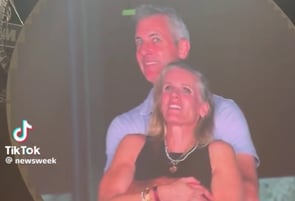 What started as a seemingly innocuous moment at a Coldplay concert earlier this week — a couple caught briefly on the Jumbotron awkwardly ducking out of frame — has spiraled into a viral spectacle. Internet sleuths quickly identified the man as the married CEO of a tech company. The woman beside him was not his wife.
Within hours, the video racked up millions of views. By the next morning, memes circulated, TikTok think pieces exploded, and the CEO’s company, Astronomer, found itself facing a serious reputational fallout.
Audio: Listen to this article.
This wasn’t a product failure. It wasn’t a cybersecurity breach. But for the company, it’s just as serious.
Why did this moment go viral?
There’s a reason this clip resonated so widely and quickly. It blends several powerful elements that dominate online culture today:
-
Anonymity and speculation
No names were in the original post, inviting viewers to play detective. -
The thrill of “gotcha” culture
Many love catching people in the act, especially those in power. -
Narrative intrigue
A public figure. A potential scandal. A moral dilemma. It has all the ingredients of compelling, low-effort entertainment. -
Meme-friendly visuals
The awkward duck, the crowd's reaction, and the concert backdrop made it instantly memeable. -
Accessibility
Unlike celebrity gossip, this involves a corporate executive — someone seemingly more “normal” and relatable — which adds to the fascination and schadenfreude.
But viral intrigue comes with real-world consequences.

When a personal crisis becomes a corporate one
Some executives are not private citizens in the public’s eyes, particularly CEOs. Whether they like it or not, their personal conduct is linked to their company’s values, culture, and public trust.
In this case, a 10-second moment has triggered:
- Negative press for the company
- Employee morale concerns
- Distrust among stakeholders and investors
- Privacy and security risks for the individuals' families
One moment of personal indiscretion, amplified by social media, can cost a company significantly: lost trust, distraction, and possibly leadership changes.
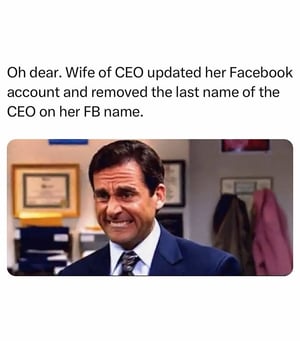
This is why every company needs a crisis communication plan
Crisis doesn’t always look like a boardroom scandal or data breach. It might come from a CEO’s personal behavior at a concert. And when it does, the speed and clarity of your response matter.
Here’s what companies should take away from this viral Coldplay controversy:
1. Prepare for personal controversy, not just corporate issues.
Your crisis plan must include reputational risk scenarios tied to leadership. That includes employee misconduct, executive scandals, and family-related media exposure.
Boards and communications teams must ask:
- What if our CEO trends on social media?
- What if a family member becomes the story?
- What if a personal decision undermines stakeholder trust?
The time to ask those questions is before a crisis — not after one goes viral.
2. Monitor social media and act early.
By the time mainstream media catches on, the damage is already spreading. Real-time social media monitoring tools can help identify viral content involving your brand or executives.
Once flagged, it’s critical to assess:
- Is this content gaining traction?
- Are there false claims we need to correct?
- What’s our official position?
Speed is your friend, but so is restraint. Rushing to respond without a clear plan often makes things worse.
3. Separate the brand from the behavior, carefully.
A common reflex is to issue a vague, “We don’t comment on personal matters” statement. While sometimes appropriate, it rarely works in today’s accountability-driven culture.
If the executive is essential to the brand identity, silence may not be an option. Boards may need to publicly acknowledge the situation, set expectations, or even distance the brand from the behavior if it contradicts corporate values.
4. Understand that perception is reality.
In this viral era, it doesn’t matter whether something is true, only whether it feels true to the public. A CEO’s romantic decisions shouldn’t impact quarterly sales, but they do — especially when employees, customers, or stakeholders feel it signals deeper ethical concerns.
Public trust is fragile. And when it breaks, it’s expensive and slow for companies to regain.
5. Reputation repair requires real action.
If your executive is the face of your company, the path forward must be authentic and clear. That may include:
- A public apology
- Temporary or permanent leave
- Reaffirmation of company values and culture
- Engaging a trusted PR firm to guide the response
When companies handle crises poorly, they make headlines and erode trust. Handling crises well offers brands a chance to rebuild — stronger, clearer, and more aware.

Final takeaway for executives
Leadership comes with a spotlight. And today, that spotlight is 24/7, crowdsourced, and merciless.
You can’t control what goes viral. But you can control how prepared your company is.
Bad press may be inevitable, but being ill-prepared is inexcusable.
Do you need expert guidance for your company’s crisis communication strategy? Take a proactive approach with CrisisPoint to protect your brand from harm.
See also: What the “CEO cheating at Coldplay” scandal reveals about crisis reputation management
Topics: crisis communications



Comment on This Article